
Enterprise site launches get messy fast. When you combine large inventories, location-heavy page structures, and multiple teams shipping simultaneously, SEO problems tend to compound instead of staying isolated. That’s why it’s essential to create a system.
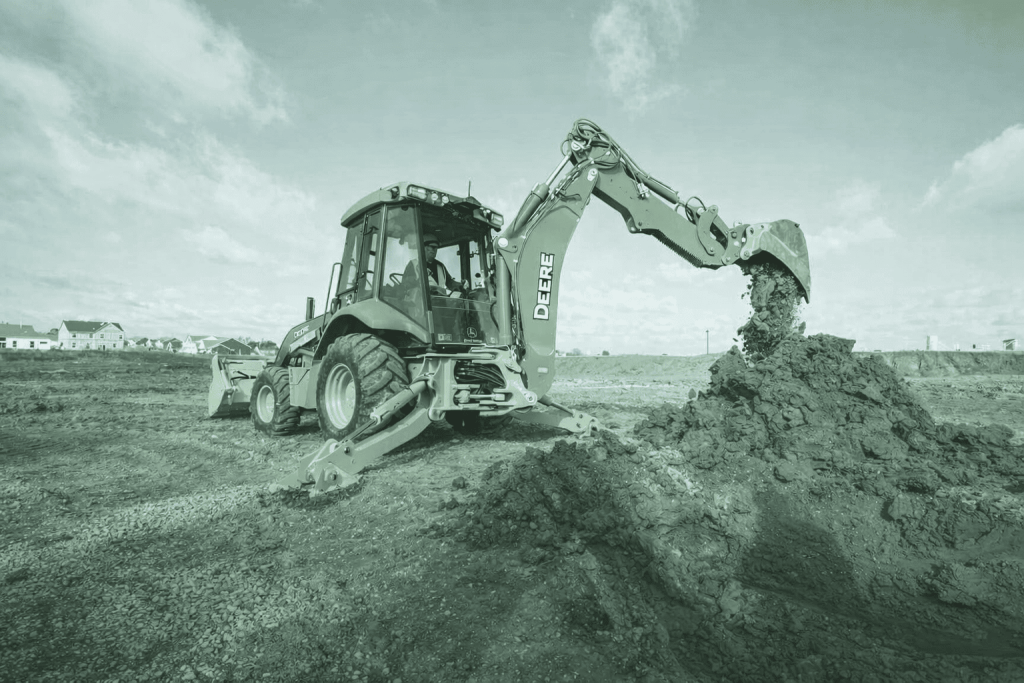
Over the course of 2025 and early 2026, I led SEO across five 3.0 enterprise site launches for different operating companies within a large U.S.-based heavy equipment manufacturer.
My goal for a successful launch
Create one SEO system that could be reused across launches, without forcing every operating company into the same mold.
How I Approached this
To make this work in practice, I partnered early with developers and product managers to align on a simple, shared set of SEO patterns:
- Worked early with developers and product managers to align on basic SEO patterns before builds were finalized
- Helped define shared expectations around site structure, breadcrumbs, internal linking, and page templates to take advantage of modern search systems
- Partnered with devs on how content, images, and reusable components should support SEO without adding complexity
- Agreed on consistent handling of technical SEO best practices for indexing, robots.txt, XML sitemaps, and canonicals
- Focused on keeping things reusable across launches while allowing flexibility for different operating companies
While the specifics varied by operating company, the underlying challenges were consistent. Large inventories, layered page types, complex location structures, and legacy URLs that still carried value. Instead of approaching each launch as a fresh SEO effort, I focused on building a shared system that could be reused and adjusted as needed. That shift made it easier to address issues earlier in the process and avoid the same problems surfacing after every launch. You can read more about how these decisions were made in my SEO Decision Log.
Why Enterprise Launches Break SEO
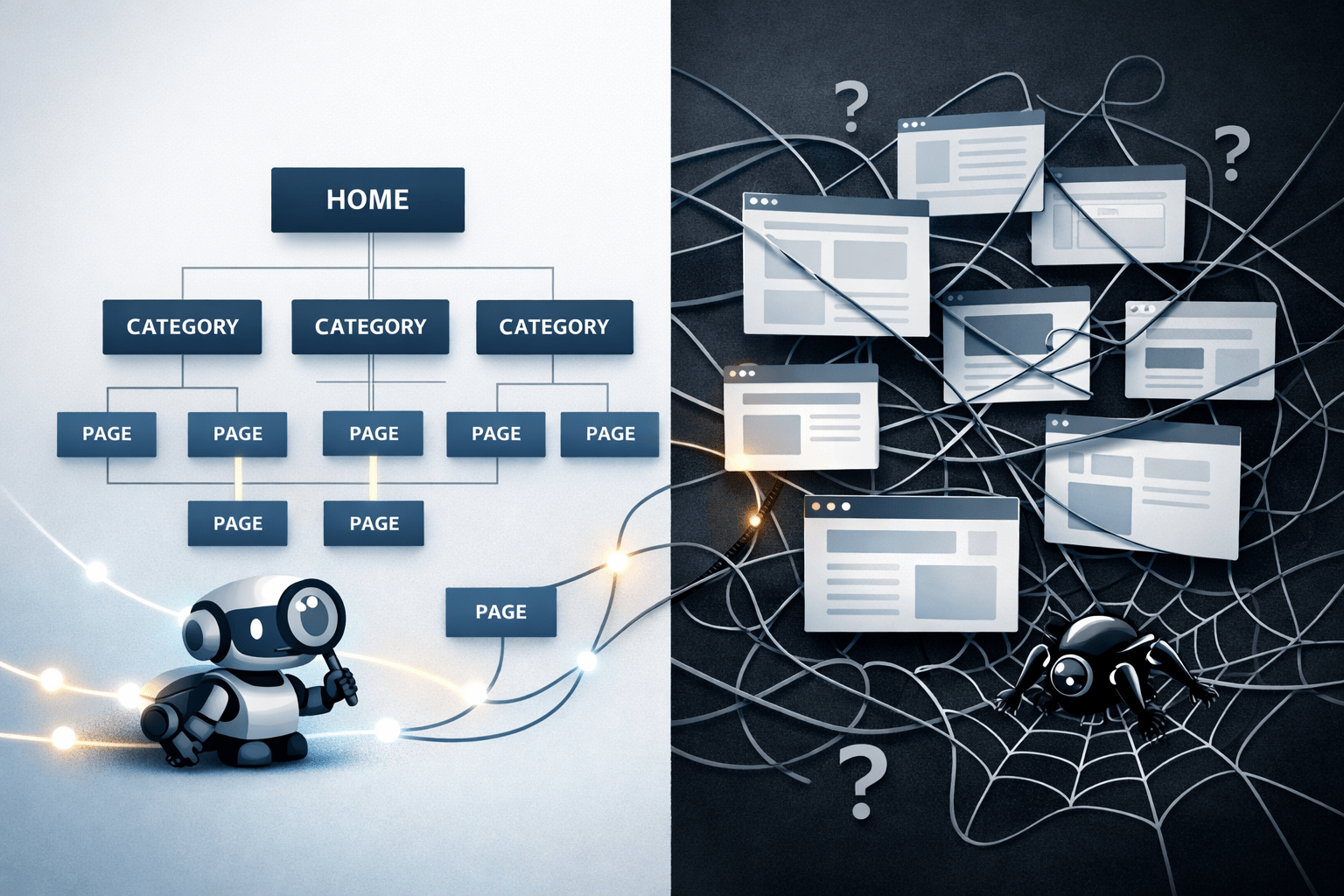
At scale, SEO problems don’t live on single pages. They live in templates and logic.
One small mistake in a category template or URL rule can affect thousands of pages. That’s common on sites with equipment listings, model pages, dealer locations, and parts or service sections.
When each launch is treated as a one-off, those mistakes keep repeating. Don’t waste time, hit the source! This has to be collaborative between teams, or else you’ll fail.
What “Repeatable SEO Systems” Actually Look Like
This wasn’t about complex frameworks or heavy documentation. It was about agreeing on a few core patterns and sticking to them.
Things like:
- Consistent and SEO optimized templates for similar page types
- Pages that served the same purpose were built from the same template. Category pages followed one structure. Model pages followed another. Location pages did the same. This made page behavior predictable for both users and search engines, reduced edge cases, and helped avoid situations where similar pages competed with each other simply because they were built differently.
- Clear rules for titles, headings, meta titles/descriptions, and internal link structure
- We aligned on how titles and headings should be auto-generated as a baseline and what information they needed to include. Meta titles and descriptions followed simple rules so they stayed descriptive without becoming duplicated or bloated. Internal links followed consistent patterns, so important pages were easy to find, while less important or supporting pages didn’t hurt us.
- Shared logic for category, model, and location pages
- Instead of reinventing these page types for each operating company, we used the same underlying logic and adjusted only where necessary. Category pages rolled up inventory the same way. Model pages followed the same hierarchy for the most part. Location pages used a consistent city and state structure, with localized inventory and widgets for differentiation. This kept the system scalable without forcing every site into an identical experience.
- Guardrails to prevent near-duplicate pages from being created unintentionally
- As inventory, filters, and locations expanded, it was easy for small variations to create near-duplicate pages. Guardrails helped prevent that through clear URL rules, canonical handling, and limits on how content variations were generated. The goal wasn’t to eliminate flexibility, but to stop duplication from creeping in quietly at scale.
- Baseline rules for which page types should be indexed/not indexed
- Not every page needed to rank. We aligned on which page types were meant to be indexed and which existed only to support navigation or usability. That helped keep low-value or utility pages out of the index and ensured crawl and ranking signals stayed focused on the pages that actually mattered.
Once those patterns were set, teams didn’t have to re-litigate SEO decisions on every launch.
Pre-Launch SEO Checklist for each unique launch:
Most SEO issues are easier to prevent than fix. Before each launch, I focused on a short, repeatable checklist to catch systemic problems early and keep launches predictable.
- URL structure and redirects reviewed: Confirmed final URL patterns, legacy URL mappings, and redirect logic to avoid broken links or equity loss at launch. Also took a look at breadcrumb structure and thought creatively about site architecture as a whole.
- Template behavior validated: Checked that category, model, and location templates rendered correctly, followed the agreed structure, and didn’t introduce unexpected surprises.
- Indexing and crawl controls confirmed: Verified robots.txt rules, meta robots directives, and canonical gameplan to ensure only intended page types were indexable.
- Pagination and filtering tested: Made sure pagination linked cleanly, filters didn’t create crawl traps, and primary pages remained the clear SEO targets.
- Internal linking checked at scale: Reviewed how pages linked to each other across templates so key pages were discoverable without over-linking low-value URLs. Also helped document and fix any broken links site-wide and clean up links that didnt’ make sense for page intent.
- Sitemaps validated: Ensured sitemaps included the right page types, excluded non-indexable URLs, and reflected the final site structure.
- Metadata rules spot-checked: Confirmed title tags, headings, and meta descriptions followed agreed rules and scaled cleanly across page types.
- Kept eyes on production stuff: Made sure staging and production behaved the same from a crawl and indexing perspective to avoid launch-day surprises.
Post-Launch SEO Checklist for each unique launch:
- Crawl and indexation monitored: Confirmed priority pages were being crawled and indexed as expected after launch.
- Note: big one is submitting sitemap to GSC ASAP, don’t want to waste any time
- 404s and broken links reviewed: Checked for unexpected errors caused by redirects, internal links, or missed legacy URLs.
- Robots.txt and indexing rules checked: Ensured no accidental blocks or noindex rules were applied in production.
- Canonical behavior spot-checked: Verified canonical tags resolved correctly and pointed to the intended URLs.
- Pagination and filters observed: Confirmed pagination and filtering did not create new crawl paths or indexed variants.
- Screaming Frog and Ahrefs are both good for this
- Sitemaps checked: Ensured sitemaps reflected live URLs and excluded non-indexable pages
- Internal linking reviewed: Confirmed key pages maintained strong internal links after launch.
- Ahrefs audit my fav for internal linking stuff
- Performance and page speed monitored: Watched for regressions introduced by new templates, scripts, or plugins.
- PageSpeedInsights great for this
- Search visibility tracked: Monitored early ranking and visibility signals for signs of systemic issues.
Why Working With Devs and PMs Mattered Most
The biggest difference came from getting involved early in the design process and staying close to developers and product managers.
Developers
Instead of flagging SEO issues after launch, requirements were built into templates and components from the start.
That helped avoid:
- Duplicate or near-duplicate pages
- Broken pagination and filtering
- Pages that were crawlable but not meant to be indexed
- Category and model pages overlapping unintentionally
- Location pages differing only by minor text changes
Fixing these things in code once is much easier than fixing them across thousands of URLs later.
Product Managers
PMs helped balance SEO needs with real delivery timelines.
That made it easier to:
- Help align important business objectives to the SEO system
- Decide what had to ship at launch
- Avoid late changes that could hurt crawlability
- Keep SEO aligned with key business goals
SEO worked best when it was part of planning, not a last-minute review.
A Quick Note on the CMS
The CMS was WordPress. It mattered less than how it was used.
Standard templates and controlled content fields made it easier to keep pages consistent, even with multiple teams publishing content. I LOVE WORDPRESS. Let me repeat, I love wordpress.
Pre-Launch Is Where Most Problems Were Solved
Most of the real SEO work happened before launch.
That included:
- Reviewing URL structures and redirects
- Fixing broken links, 404 errors, messy structure, etc..
- Checking internal linking and crawl depth
- Making sure similar pages behaved the same way
Catching any issues early and cleaning them up reduced risk and cut down on post-launch cleanup.
Search Intent Remained High Priority Throughout
Never lost sight of which pages were for what type of search.
4 Types of Search Intent
Every search falls into one category. Match your page to user intent or lose the click.
Post-Launch: Watching for Issues
After launch, the focus was on making sure things stayed stable.
That meant:
- Watching for crawl errors and broken links
- Checking index coverage and visibility trends
- Keeping an eye on performance and page speed
This involved in-depth and consistent SEO Audits (Ahrefs, GSC, GA4, Screaming Frog). Because the foundations were consistent, issues were easier to spot and fix. The goal here is to look for early patterns in the data and track them.
What This Approach Changed
Across multiple launches, this approach:
- Reduced repeated SEO issues
- Kept crawl and indexation more stable
- Made launches less stressful for everyone involved
Teams spent less time reacting and more time improving.
Key Takeaway
Enterprise SEO isn’t about tuning individual pages. It’s about setting up systems that scale.
The biggest wins came from:
- Working closely with developers and PMs
- Focusing on templates and patterns, not one-off fixes
- Doing more work before launch and less after
That’s what made these launches more predictable and easier to support long-term.
👍0❤️1👏1🎉0🙏1😢0
Frequently Asked Questions (FAQ)
What makes enterprise SEO different from traditional SEO for small or mid-size websites?
Enterprise SEO focuses on scale, governance, and automation, managing thousands or millions of URLs, complex CMS environments, multiple stakeholders, and revenue attribution, whereas traditional SEO is typically manual and page-level.
How do large organizations manage SEO across massive websites without creating technical debt?
They rely on centralized SEO frameworks, automated rules, CMS constraints, and governance models that prevent inconsistencies while allowing teams to publish at scale.
Why does enterprise SEO require a different content strategy than standard blog SEO?
Enterprise content strategies prioritize topic ownership, pillar-cluster models, programmatic content, and internal linking systems rather than isolated blog posts targeting single keywords.
How does enterprise SEO support long sales cycles in B2B organizations?
Enterprise SEO captures demand across early research, vendor evaluation, and solution comparison queries, influencing decisions long before prospects speak to sales.
What are the most common technical SEO issues unique to enterprise websites?
Common issues include crawl budget waste, index bloat, JavaScript rendering problems, faceted navigation, pagination, and multi-domain complexity that do not exist at smaller scales.
How does crawl budget impact rankings on large enterprise sites?
When crawl budget is misallocated, important revenue-driving pages may not be crawled or indexed consistently, limiting visibility regardless of content quality.
How do enterprise teams prioritize SEO work when everything seems important?
They prioritize based on business impact, revenue potential, organic opportunity size, and implementation feasibility instead of treating all pages equally.
What role does internal linking play in enterprise SEO success?
Internal linking distributes authority, improves crawl efficiency, reinforces topical relevance, and supports pillar-cluster architectures across large content ecosystems.
How does enterprise SEO integrate with product marketing and growth teams?
Enterprise SEO aligns with product teams by optimizing product pages, feature use cases, documentation, and comparison content that supports product-led growth.
How do enterprises prevent SEO issues during large-scale website migrations?
They use pre-migration audits, large-scale URL mapping, controlled rollouts, and post-launch monitoring to protect rankings and organic revenue.
Why is enterprise SEO critical for global and international brands?
Enterprise SEO enables localized search visibility, hreflang management, regional keyword targeting, and consistent brand presence across multiple markets.
How do enterprise SEO teams measure success beyond rankings and traffic?
They focus on organic revenue, pipeline contribution, non-branded visibility, index health, and long-term demand growth rather than vanity metrics.
How does enterprise SEO help reduce reliance on paid media?
By capturing high-intent organic demand at scale, enterprise SEO becomes a compounding acquisition channel that lowers customer acquisition costs over time.
What content formats work best in enterprise SEO environments?
High-performing formats include pillar pages, solution hubs, use-case libraries, comparison pages, and scalable landing page templates.
How does enterprise SEO adapt to frequent Google algorithm updates?
It emphasizes technical excellence, content depth, authority signals, and user experience, which remain resilient through algorithm changes.
What skills are required to run enterprise SEO successfully?
Effective enterprise SEO teams combine technical SEO, data analysis, content strategy, stakeholder alignment, and automation expertise.
When should a company move from standard SEO to enterprise SEO?
When organic growth stalls due to scale, complexity, or cross-team coordination challenges, enterprise SEO becomes necessary.
How does enterprise SEO strengthen brand authority in competitive markets?
By owning entire topic ecosystems and high-intent informational queries, enterprise SEO builds trust and credibility before users are ready to convert.
4 Types of Search Intent
Every search falls into one category. Match your page to user intent or lose the click.













Join the conversation!