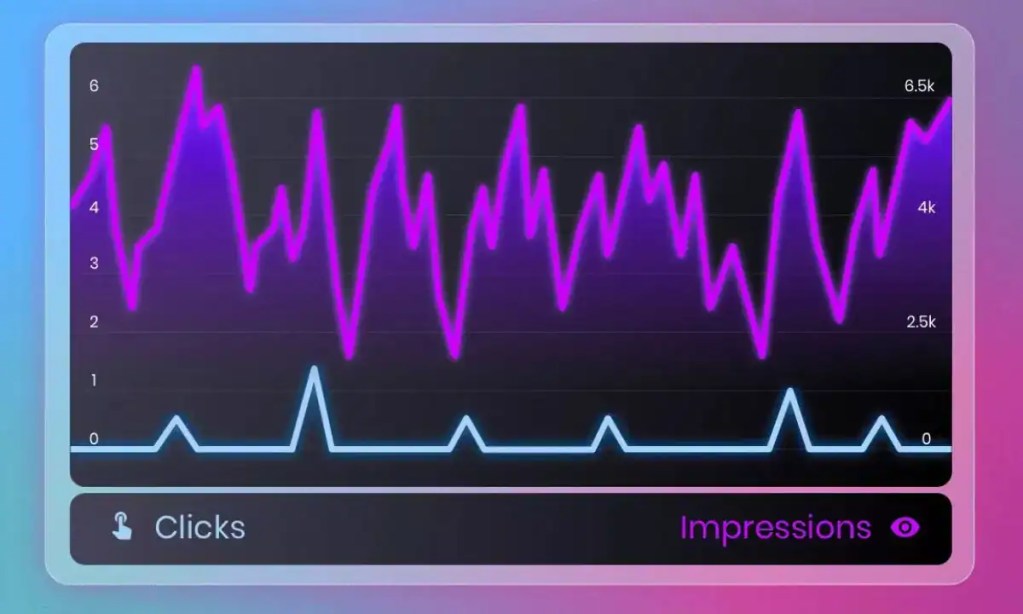
Search visibility no longer behaves the way it used to. Many websites are seeing impressions increase in Google Search Console while clicks remain flat or even decline.
At first glance, this looks like a problem. Rankings improve, visibility grows, yet traffic does not follow. In most cases, nothing is broken. What has changed is how search works and how users interact with information before deciding to click.
This shift is closely tied to how modern search systems prioritize understanding inside the results page itself. AI Overviews, expanded SERP features, and answer-first interfaces increasingly resolve early questions before a visit ever happens. Visibility still exists, but its role has changed. So we gotta adapt.
What Impressions Actually Measure
An impression simply means your content was shown. ANYWHERE. It does not mean a user needed to click.
Historically, impressions and clicks moved together because search results functioned primarily as navigation. Users searched, scanned results, clicked a page, and then learned or decided what to do next.
Today, understanding often begins before the click. Search results contain summaries, comparisons, related questions, and contextual information that help users interpret a topic immediately. As a result, a page can gain more exposure without generating proportionally more traffic. Visibility and visits are no longer the same signal.
This is why rising impressions alongside flat clicks is increasingly common, especially for informational and research-driven queries.
For example, someone searches “what is search intent.” Your page appears in the results (whatever kind, AI overview, snippet, etc.), so it earns an impression. But the user may read an AI Overview or a summary directly on the results page and understand the basic concept without clicking. Your content was seen, but the question was partially resolved before a visit was needed.
There’s the disparity.
Why This Is Happening More Often Now
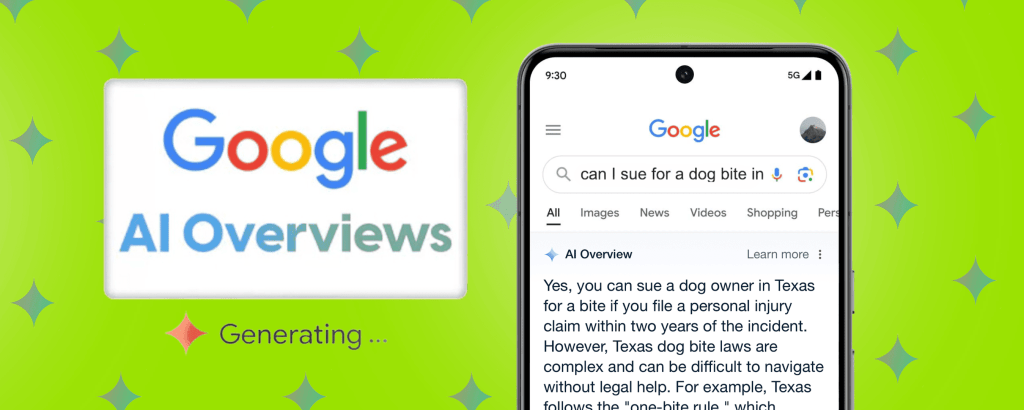
AI Overviews are the clearest example of this shift. Instead of presenting a list of links and expecting users to assemble an answer themselves, Google (and other search engines) increasingly combs through information across multiple sources and presents a summarized explanation directly in the results page.
It’s simple: when early uncertainty is resolved immediately, fewer users need to click to continue learning.
Many will refine their query, return later in the process, or move directly toward a more specific search.
The click simply happens later in the journey, not at the moment of first exposure.
This reflects a broader transition from navigation-first search to understanding-first search. The results page itself has become part of the learning process.
Why Rankings and Traffic No Longer Move Together
Traditional SEO assumed a simple relationship. Higher rankings produced more clicks, which produced more traffic. That relationship weakens when part of the intent is satisfied before the visit occurs.
A page can rank higher, appear more frequently, and still receive the same number of clicks because the system has already answered part of the question. The impression represents awareness, not necessarily a demand for deeper information.
This is especially visible in informational content. Pages that explain concepts without helping users move forward often see exposure grow while engagement remains flat. The issue is not visibility. The issue is that the content stops at understanding instead of progressing toward action or decision.
Visibility Now Builds Familiarity Before Traffic
One of the most important changes underneath this shift is that authority and branding matter more than before. Users are increasingly exposed to sources inside summaries, related results, and repeated searches before ever clicking a link.
The first interaction becomes awareness rather than a visit.
A user may see a brand referenced multiple times across searches, recognize it later, and only click when they are closer to making a decision. Visibility builds familiarity before it produces traffic.
This changes how authority develops. It is no longer built only through clicks. It is built through consistent exposure, clear explanations, and being associated with reliable information across multiple stages of research. The sites that are remembered are often the ones chosen when understanding turns into action.
What This Means for Content Strategy
AI Overviews and answer-first search do not eliminate the need for content. They change what content needs to do.
Content that only repeats definitions or basic explanations increasingly competes with summarized answers. Content that survives this shift tends to move beyond explanation. It anticipates the next question, connects understanding to real decisions, and helps users progress forward.
The goal is no longer to be the first answer. The goal is to be the next step.
When intent transitions are clear and aren’t misaligned, content remains valuable even when summaries exist above it. Users arrive not to learn the definition, but to apply what they have already learned.
Compare the differences between informational and transactional pages side-by-side
Example: Understanding vs Progression
For example, someone searches “how long does SEO take to work.” Your article appears in results, so it earns an impression. The user reads a summarized answer directly on the results page and understands that SEO usually takes several months, so they do not need to click yet.
Later, when the question becomes more specific, such as why timelines differ between sites or what actually slows progress down, they look for deeper explanation. The overview provides the basic expectation. The content that explains variables, tradeoffs, and next steps becomes valuable when the user moves from understanding to decision-making.
How to Interpret Rising Impressions Correctly
When impressions increase without matching click growth, the correct response is not panic. It is an interpretation.
Ask:
- Is the query informational or early-stage research?
- Is understanding being resolved inside search?
- Does the page provide a next step after explanation?
- Are users returning later through more specific searches?
In many cases, rising impressions signal growing topical visibility rather than declining performance. The system is showing your content more often because it recognizes relevance. The opportunity is ensuring that when users are ready to go deeper, your content remains the logical destination.
You can identify this pattern in Google Search Console by comparing rising impressions against stable or declining CTR at the query level, especially for informational searches where average position improves but clicks do not follow. In Ahrefs, look for pages gaining keyword visibility and ranking for more variations of early-stage queries, even when traffic growth remains flat, which often signals expanding topical exposure rather than performance loss.
Conclusion
Impressions increasing while clicks remain flat is not necessarily a negative signal. It is often a sign that search behavior and search discovery have changed. The results page increasingly resolves early questions, which shifts when and why users choose to visit websites.
As search moves toward understanding first and decision second, the role of content becomes clearer. Content that only explains becomes easier to replace. Content that helps users move forward becomes more valuable.
Visibility no longer guarantees traffic, but it still builds authority. Sites that focus on clarity, usefulness, and structured progression will continue to benefit as search evolves, because they provide what summaries cannot: depth, context, and the next step after understanding begins.
Learn more about how search behavior shapes modern search systems and how understanding search psychology helps content move users from information to decisions.
Frequently Asked Questions About Impressions and Clicks
Why are my impressions increasing but clicks are not?
This often happens when search results answer part of the question directly through AI Overviews or SERP features. Users gain understanding without needing to click immediately.
Does higher visibility still matter if clicks do not increase?
Yes. Increased visibility builds familiarity and authority, which can lead to later clicks when users move closer to making a decision.
Are AI Overviews reducing website traffic?
They can reduce clicks for early-stage informational queries, but they also shift traffic toward later stages of the research process where intent is stronger.
Should I change my SEO strategy if clicks stay flat?
The focus should shift toward content that helps users move forward after understanding, rather than content that only provides basic explanations.
How should I measure SEO performance now?
Impressions, engagement quality, and progression through the user journey are becoming as important as raw traffic numbers when evaluating performance in modern search.









Join the conversation!