SEO Blog
How Modern Search
Actually Works
Search systems, site architecture, and the mechanics behind what ranks and why.
I’ve been going to Autzen since I was a baby. Of course I built a website about it.
109 pages of Oregon Ducks football. Season archives, rivalry records, recruiting data, player profiles, and the heartbreak index. Built by a lifelong Duck who is way too emotional about this program.
Recent Posts

AI Output Fails Silently. Domain Expertise Is What Catches It.
Content Strategy
The Real Goal of Technical SEO: Clarity for Crawlers and Humans
Technical SEO
How to structure content for answer-first search
Content Strategy
Why impressions increase while clicks stay flat
SEO Measurement
Why AI overviews appear in Google Search
Modern Search
Google Search Console visibility dashboard cheat sheet
SEO Measurement
Building repeatable SEO systems for enterprise launches
Enterprise SEO
What modern search systems need to understand content
Modern Search
Why transactional pages fail when users are ready to buy
How People Search
How misaligned intent transitions kill content decisions
How People Search
Why informational content fails to move users to decisions
How People Search
2026 automotive SEO trends to take advantage of
Industry SEOLike my content?
Deep dives on search systems and SEO frameworks every week on LinkedIn.
All SEO Blog Posts
-
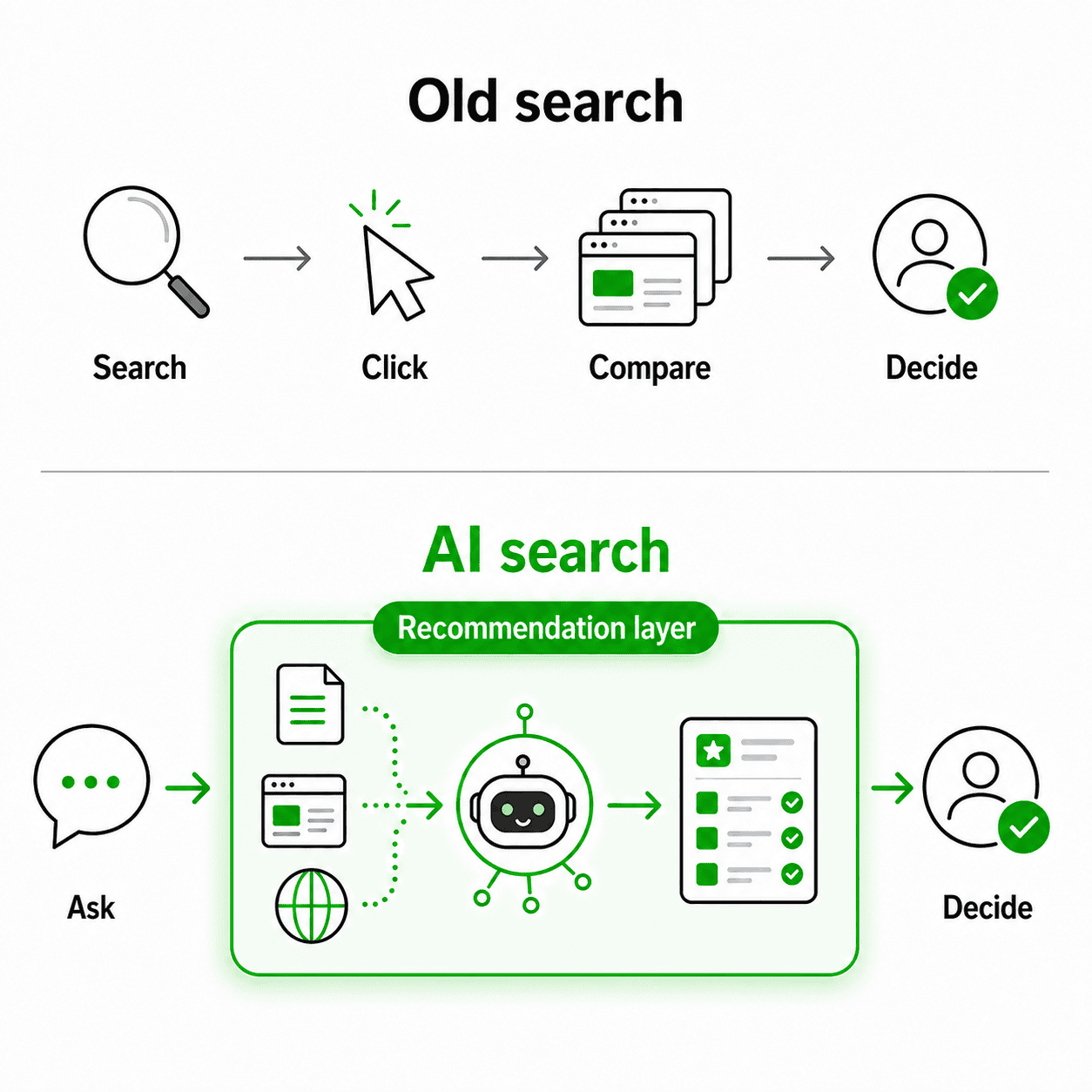
The Recommendation Layer: How AI Chooses Which Brands Make the Answer
The recommendation layer is where AI systems decide which brands appear in their answers. Learn how ChatGPT, Gemini, Copilot, Perplexity, and Google AI surfaces find, verify, cite, and recommend content—and what brands must do to earn visibility. Read more

-
I’ve been going to Autzen since I was a baby. Of course I built a Website for the Ducks.
I need to get something out of the way. SURPRISE: I am way too emotional about Oregon Ducks football. This has been true for my entire life. It will not be changing. So I might as well share that passion with anyone else who cares, right???? So i made this: Read more
-
Personal audit and lessons learned: AI output fails silently. Domain expertise is what catches it.
I have made so many mistakes. I’m a solo operator with my side projects. Learning new tools and new ways of thinking is hard. Things go wrong. There’s an extreme learning curve with all this crazy new technology shit, and there’s so much I still have to learn. But doing and experimenting in new ways is how you get better, and mistakes happen. So let’s talk about it, so maybe… Read more
-
The real goal of technical SEO: clarity for crawlers and humans
Technical SEO is often treated as a checklist, but its real purpose is clarity. This article explains how reducing ambiguity in structure, layout, and internal relationships makes websites easier for both crawlers and users to understand. Read more
-
How to structure content for answer-first search so AI previews help instead of replace you
Answer first search changes what content needs to do. As AI Overviews resolve basic questions directly inside search results, content must move beyond explanation and help users move forward. This article explains how to structure content around intent progression so visibility leads to engagement instead of stopping at understanding. Read more
-
Why impressions increase while clicks stay flat (and what it actually means for SEO)
Many websites are seeing impressions rise while clicks remain flat or decline. This article explains why visibility and traffic no longer move together, how AI Overviews and modern search behavior change click patterns, and how to interpret performance data correctly in modern SEO without assuming something is broken. Read more
-
Why AI overviews appear in Google Search (and what they change)
AI Overviews represent a shift toward answer-first search, where Google increasingly summarizes information directly within results instead of relying on users to visit individual pages for understanding. This article explains why AI Overviews appear, what types of searches trigger them, and how they change visibility, click behavior, and the way modern search systems interpret content. Read more
-
Building a Search System: How I Structured My New Site
This post explains the reasoning behind how this site is structured, including the constraints, tradeoffs, and assumptions that shaped its architecture over time. Read more
-
How to use Google Search Console as an SEO visibility dashboard (cheat sheet)
A practical guide to using Google Search Console as a visibility dashboard instead of a troubleshooting tool. This cheat sheet explains how to analyze search performance trends, identify growth and decline patterns, and turn raw visibility data into clear insights for reporting, strategy, and decision-making. Read more
-
Building repeatable SEO systems for enterprise website launches
This post documents how standardized SEO systems were used to support multiple enterprise 3.0 website launches. It focuses on coordination, structural decisions, and risk reduction across complex inventory, location, and legacy URL environments rather than one-off fixes or launch checklists. Read more


Common Questions
What topics does this blog cover?
Eight core areas: how people search, modern search systems (AI Overviews, LLM retrieval), content strategy, local SEO, technical SEO, measurement, industry-specific SEO, and enterprise search. Each has a dedicated category hub.
How often do you publish?
New articles go up weekly. Deep-dive pillar pieces publish less frequently but cover topics comprehensively. Subscribe on LinkedIn for updates.
Are these strategies based on real projects?
Yes. Every framework discussed here is tested on live sites. The portfolio documents the specific architecture decisions and outcomes.
Who is this blog for?
SEO practitioners, marketing leads, and developers who work on search visibility. The content assumes intermediate knowledge and focuses on systems over tactics.
Can I hire you for SEO work?
Selective freelance projects through Rose City Marketing. Audits, consulting, and hands-on implementation for sites that need structural SEO work.
Category Hubs
Built by Hayden Schuster · LinkedIn
How this SEO blog works
View Transcript
The conversation above is guided by AI, drawing on ideas from this blog, with my own writing providing the context and focus. All for fun!
©2026 Hayden Schuster 🐦🔥, a WordPress site